
When you live with diabetes, you likely focus a lot on managing your blood sugar levels. However, diabetes can also impact other areas of your health, including your vision. Over time, high blood sugar can damage the very small blood vessels inside your eyes.
Diabetes can lead to serious eye conditions that may affect your sight if they aren’t addressed early. Regular visits to our team at See Eye Clinic for comprehensive eye exams are an important part of managing your health, as they can help detect problems before you notice any changes.
The Link Between High Blood Sugar & Eye Health
Your eyes rely on a network of tiny, delicate blood vessels to function. Consistently high blood sugar can harm these vessels, causing them to swell and leak fluid. In some cases, your body may grow new, weaker blood vessels that aren’t as effective. This process can also cause the lens of your eye to swell, which can make your vision blurry.
Common Eye Conditions Linked to Diabetes
Diabetes can increase your chances of developing a few different eye conditions. Spotting these conditions early with regular eye exams gives you more options for managing them and protecting your vision for the future.
Diabetic Retinopathy
Diabetic retinopathy happens when high blood sugar damages the blood vessels in your retina—the light-sensitive layer at the back of your eye. As your blood vessels leak fluid or new, fragile blood vessels form, they can interfere with your ability to see clearly. An annual diabetic eye exam is designed to look for these changes.
Cataracts
A cataract is a clouding of the eye’s natural lens. While many people develop cataracts as they age, diabetes can cause cataracts to appear at a younger age due to the fact that high sugar levels may lead to cloudy deposits building up in the lens.
Glaucoma
Diabetes can nearly double your chances of developing glaucoma, a condition that damages the optic nerve. This nerve sends signals from your eye to your brain. Glaucoma-related damage is often caused by high pressure inside the eye, which can happen if new blood vessels block fluid from draining properly.

How to Tell If Diabetes Affects Your Eyes
You might not notice anything different with your vision in the early stages of diabetic eye disease. This is why routine check-ups are so important. As a condition progresses, you might experience symptoms such as:
- Blurry vision
- Spots or dark strings floating in your sight—often called floaters
- Vision loss
- Dark or empty spots in your vision
- A sudden loss of sight
How a Dilated Eye Exam Can Help
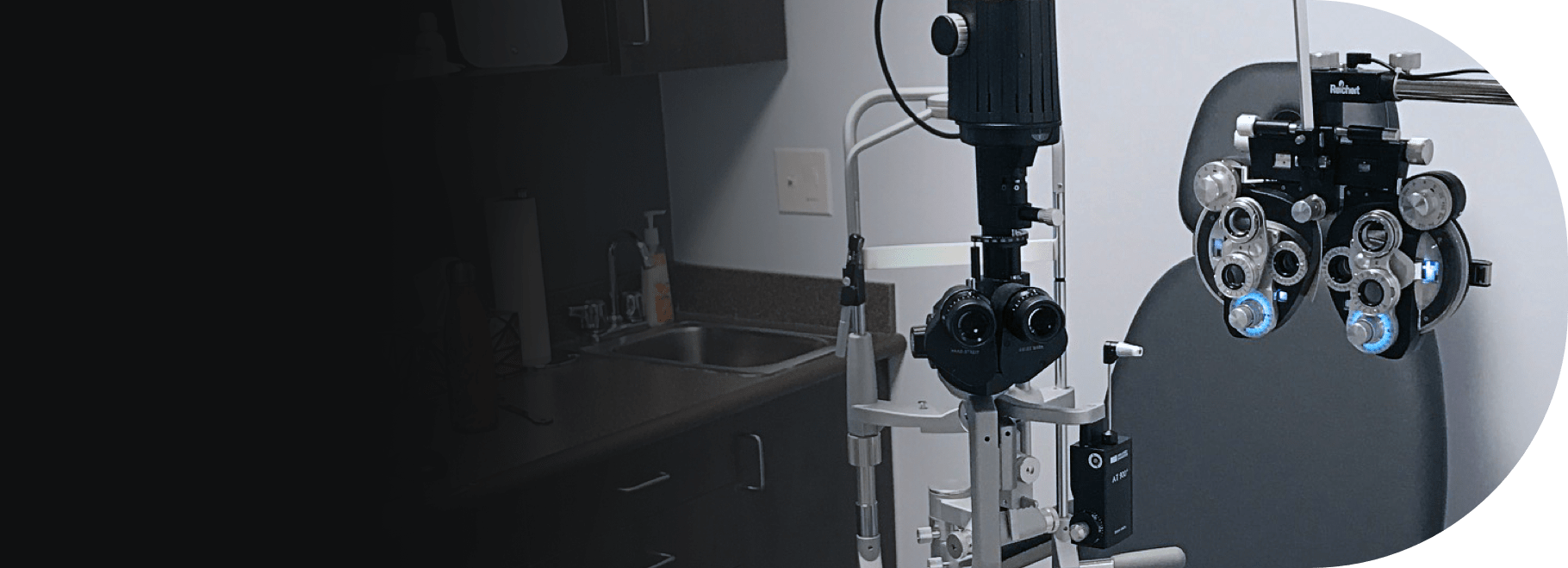
A comprehensive dilated eye exam is a straightforward way to check for diabetic eye disease. During this exam, an eye doctor uses special drops to widen your pupils, which gives them a clear view of your retina and optic nerve, allowing them to spot signs of damage.
Steps to Protect Your Vision
Working with your healthcare team to manage your diabetes is the most effective step you can take to protect your sight.
- Manage Your Blood Sugar: Keeping your blood sugar in your target range helps protect the blood vessels in your eyes from damage.
- Manage Blood Pressure & Cholesterol: High blood pressure and cholesterol can also contribute to eye problems, so it’s helpful to keep them in a healthy range.
- Get Active: Regular physical activity can help you manage your diabetes, which in turn helps protect your eyes.
- Stop Smoking: Smoking harms blood vessels throughout your body and can increase your risk for many diabetes-related complications, including eye conditions.
- Schedule Yearly Exams: An annual exam with your eye doctor in Winnipeg helps monitor your eye health and allows for early care if any issues arise.
Your vision is a precious part of your life. By working closely with your healthcare providers and scheduling regular check-ups, you can help protect your eye health for years to come. To book your next comprehensive eye exam, connect with our team at See Eye Clinic today.