Myopia, also called nearsightedness, makes close objects look clear while anything farther away looks blurry. It often first comes up during children’s eye exams because it tends to develop while kids are still growing, so book regular exams even when everyone’s vision seems fine.
Myopia happens when light focuses in front of the retina instead of directly on it, usually because the eyeball has grown too long or the cornea curves too steeply. Family history and daily habits can both influence how that growth happens.
How Myopia Affects Your Vision
Myopia is a type of refractive error, which means your eye doesn’t bend light the way it needs to for a sharp image. The retina is the light-sensitive layer at the back of your eye, and it needs focused light to send a clear picture to your brain.
In everyday life, you might read a book in your hands without any trouble but struggle to make out a bus number half a block away. The farther away something is, the less detail you’ll see.
Main Risk Factors for Myopia
Most cases come down to how the eye grows, and both genetics and environment can affect that growth.
Eye Shape and Growth
The eye can grow longer from front to back than it should, or the cornea, the clear dome at the front of the eye, can curve too steeply. Either one moves the focus point in front of the retina, so distant objects look blurry.
Because excessive eye growth is closely linked with myopia progression, your optometrist may measure axial length to monitor changes in the eye over time. We can also use a corneal topography map to see the shape of your cornea in detail.
Family History
Myopia tends to run in families. If both parents are nearsighted, the chance a child becomes nearsighted goes up, so it’s worth mentioning your family’s history at your child’s next appointment.
Daily Habits and Time Outdoors
Long stretches of close-up work, whether that’s reading, homework, or a tablet held a few inches from the nose, are associated with higher risk. Lots of time on devices can also lead to digital eye strain, which can leave your eyes feeling tired and achy.
Kids who spend more time outside tend to have lower rates of myopia. So don’t be surprised if your optometrist asks how your child spends their afternoons and weekends.
When Myopia Starts and How It Progresses
Myopia often begins during childhood or the teen years, sometimes right around a growth spurt. The earlier it starts, the more years there are for the prescription to keep changing, and higher levels of myopia can raise the risk of other eye conditions later in life.
Progression tends to slow as kids get older. For most people, myopia levels off by their early 20s, though some adults still notice small changes after that. Regular checkups can help you know where things stand.
Signs of Myopia in Children and Adults
Myopia can look a little different depending on your age.
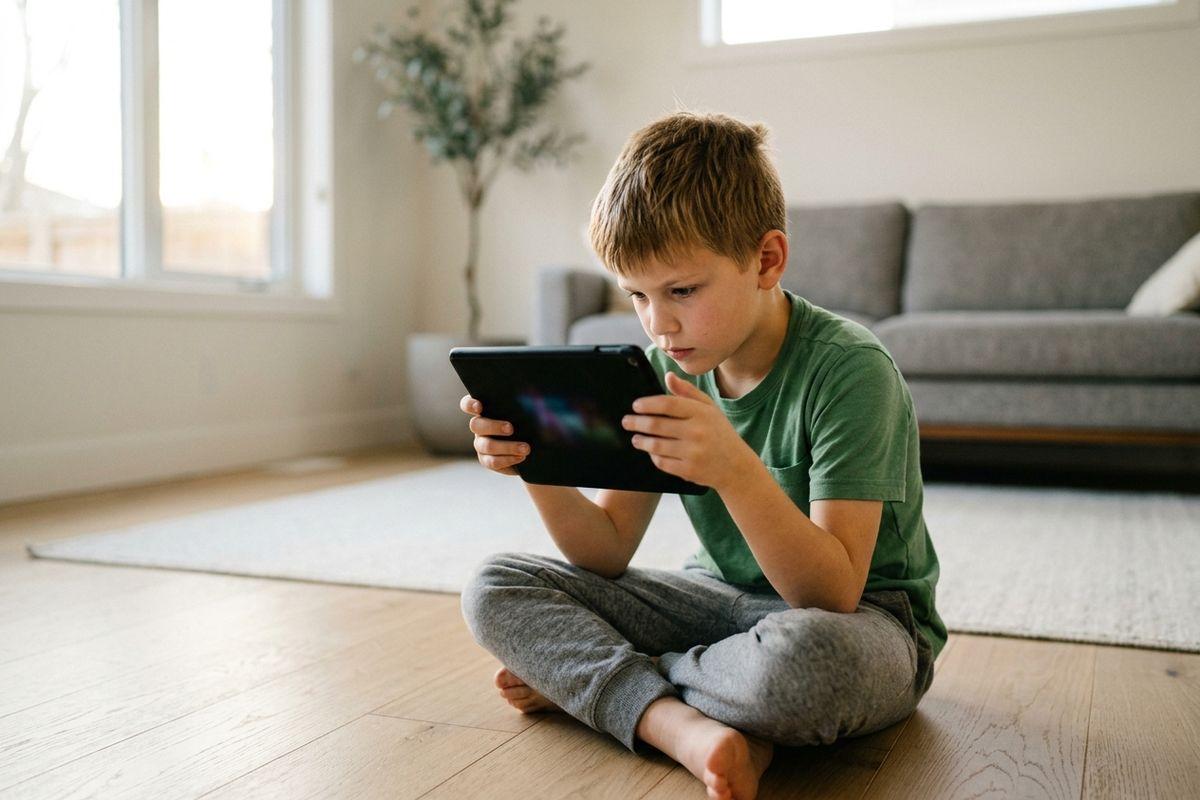
Signs in Kids
Children rarely say their vision is blurry because they have nothing to compare it to. Watch for what they do instead.
- Squinting to see things across the room
- Rubbing their eyes often
- Sitting very close to the TV
- Trouble reading the board at school
- A drop in grades
Signs in Adults
Adults tend to notice myopia during ordinary tasks, such as:
- Needing to get closer before you can read street signs
- Headaches after a long day
- Tired eyes
- Blurry vision while driving at night
How Optometrists Diagnose Myopia
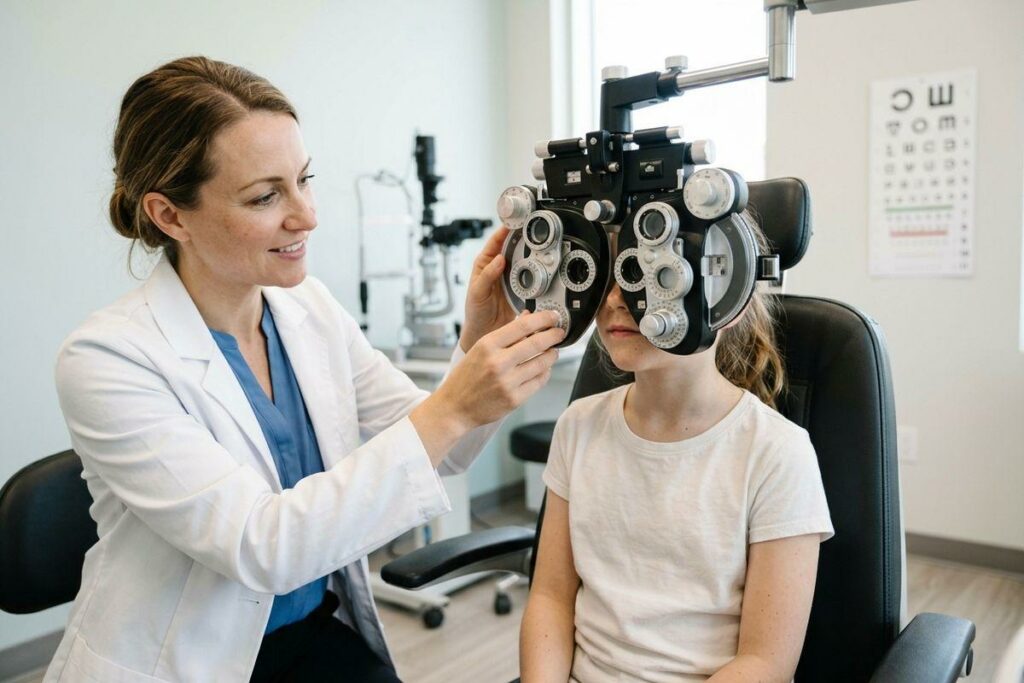
A comprehensive eye exam can confirm whether myopia is behind the blurriness and measure the exact prescription you or your child needs. Your optometrist will also check your eyes’ overall health.
If your vision suddenly gets blurry, book an appointment right away. Don’t wait for your next routine visit.
Myopia Treatment & Management Options
Glasses and contact lenses correct myopia for day-to-day vision, while refractive surgery may be an option for some adults. Although myopia can’t be reversed, treatment can help manage its progression and support clear, comfortable vision.
For children whose myopia is progressing, your optometrist may recommend myopia management options designed to slow further progression and excessive eye growth. At See Eye Clinic, available options include:
- MiYOSMART lenses: These specialized eyeglass lenses use D.I.M.S. (Defocus Incorporated Multiple Segments) Technology to correct vision while helping slow myopia progression.
- Low-dose atropine: These specially formulated eye drops help slow the rate of myopia progression.
- MiSight 1-day contact lenses: These daily disposable soft contact lenses correct vision while using specialized technology designed to slow myopia progression.
The most suitable approach depends on your child’s prescription, eye health, and comfort with each treatment option.
Follow-up visits can include prescription checks and axial length measurements. Axial length is the length of the eye from front to back, and tracking it over time helps your optometrist monitor eye growth and assess how well the treatment is working.
Book Your Next Eye Exam
Myopia often starts with how the eye grows, and it tends to change most during the school years. Regular exams can show whether your child’s prescription is changing and how quickly.
Our team at See Eye Clinic can check for myopia in kids and adults and talk you through options that fit your family’s routine. Book your comprehensive eye exam and see where your family’s vision stands.