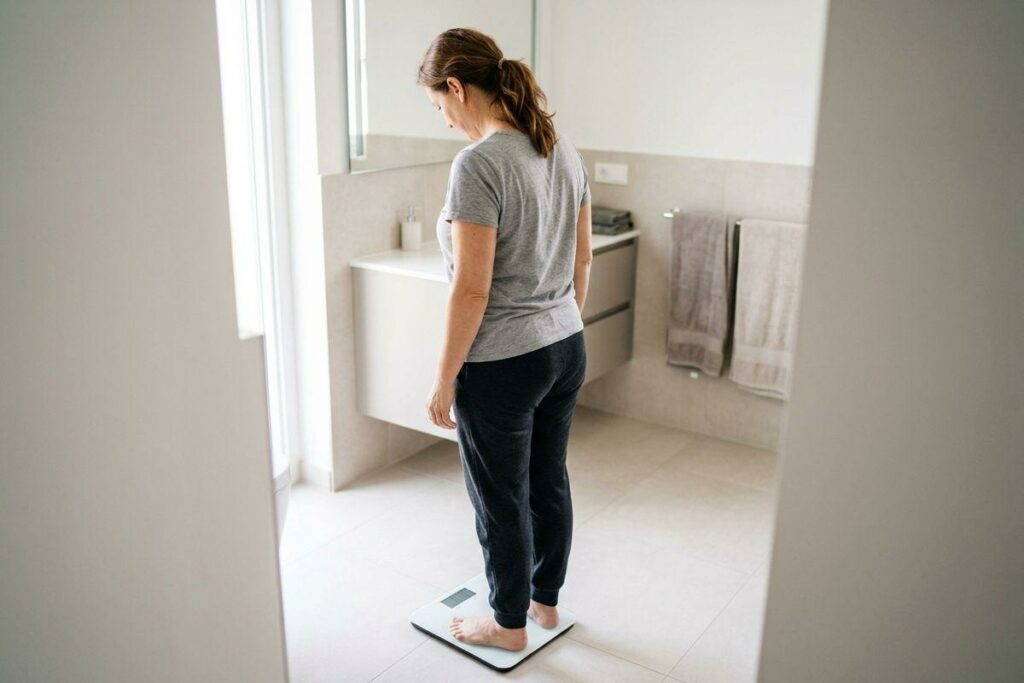
Ozempic is a common name in conversations about blood sugar and weight management. If you take this medication, you probably wonder how it could affect your eyes and which changes require a second look. It’s completely normal to have these questions, and we hope getting clear answers helps settle your worries.
Ozempic can lead to short-term blurry vision as your blood sugar levels out, and in rare cases, it’s linked to more serious eye conditions. Because of this, remember to book regular eye exams to diagnose any complications early.
How Ozempic Affects Your Eyes
Ozempic helps many adults manage blood sugar and lose weight. It works well for those goals, and that’s why so many people take it. Your eyes can react to those changes, though.
When your blood sugar drops quickly, the fluid balance inside your eye changes as well. This reaction can make the lens swell or flatten slightly, altering how it focuses light.
Older adults often notice this first. You might find that the words on your phone look soft for a few weeks, or street signs seem fuzzy at dusk. These changes can feel unsettling, but they often resolve as your body adjusts to the medication.
Eye Risks Linked to Ozempic
While many people only experience mild visual changes, others face more severe complications. Talk to your optometrist about the following conditions if you notice anything unusual.
Blurry Vision and Diabetic Retinopathy
Blurry vision is the most commonly reported visual side effect. It often fades over a few months once your blood sugar steadies.
Fast drops in sugar can also affect your retina, which is the layer at the back of your eye that sends pictures to your brain. When sugar falls quickly, the tiny blood vessels there react and blur your sight. In severe cases, this could worsen diabetic retinopathy, but the symptoms are generally manageable with the right care. Temporary blurry vision caused by changes in blood sugar often improves as your blood sugar stabilizes. However, if diabetic retinopathy is present, your optometrist may recommend ongoing monitoring or treatment to help protect your vision.
NAION, a Rare Eye Stroke
NAION is a rare condition often described as an eye stroke. It occurs when blood flow to the optic nerve is reduced, which can lead to sudden, painless vision loss.
The primary sign is sudden, painless vision loss in 1 eye. People often notice this symptom when they wake up in the morning. The overall risk stays low for most people, yet it helps to know what it looks like so you can act fast.
Wet Macular Degeneration
Some early research has suggested a possible association between semaglutides, such as Ozempic, and wet age-related macular degeneration. However, more research is needed to better understand whether this relationship exists.
This issue mostly appears in older adults over 65. With this type, straight lines like door frames may start to look wavy or bent, so keep watch for any change like that.
Warning Signs to Watch For
Your eyes give you clues when something needs attention. Pay attention if you notice any of these symptoms:
- Sudden vision loss in one eye
- Blurry or distorted vision
- Dark spots or blind spots in central vision
- Wavy or warped lines
- Flashes or floaters that drift across your view
- Trouble seeing in low light or at dusk
Some blurry vision after a meal is one thing. But a sudden change in your sight that lingers is a different story entirely. When the second happens, book an exam right away.
Is Vision Loss From Ozempic Reversible
The answer depends on what’s behind the change. Blurry vision tied to blood sugar often improves over time, sometimes within weeks or a few months.
Nerve damage from NAION is different. That damage stays permanent, as the optic nerve doesn’t heal once blood flow gets cut off.
This is why fast action matters so much with sudden vision loss. Sudden vision loss should always be treated as a medical emergency. Seek immediate medical attention if you experience this symptom.
If you decide to stop the medication, talk with your prescribing doctor and your optometrist together. Some focus issues settle down after adjusting your dose, while others need a closer look to find the cause.
Keep Your Eyes Healthy While Taking Ozempic
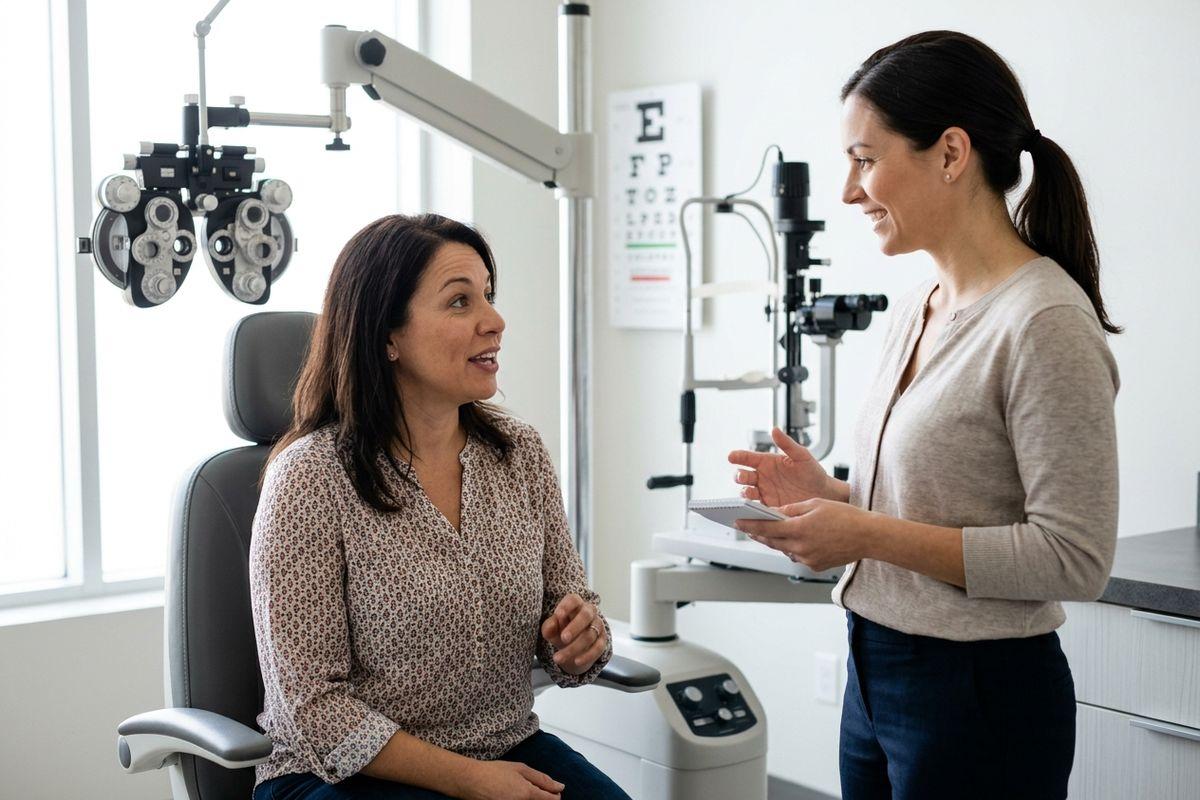
An eye exam before you start any new medication gives your optometrist a clear picture of your starting point. This starting point makes later changes much easier to spot, and yearly checkups let us track how your vision changes over time. Our team can map your retina, check the nerve, and compare results year to year.
Share your full medication list at each visit. When we know you take Ozempic, we can watch for the specific changes associated with it and act early if anything looks off.
Your sight is worth a comprehensive plan, and the team at See Eye Clinic can help you build one. Book your exam today and keep your vision in good hands while you focus on your health.