Myopia is showing up in kids earlier than it did a generation ago, and it tends to progress quickly through the school years. That’s why myopia control lenses come up so often during children’s eye exams. Parents usually want an answer to one question before anything else.
A good candidate for MiYOSMART lenses is usually a child between 6 and 18 with a prescription in the lens range. An optometrist can confirm it during a myopia management visit by measuring the degree of nearsightedness and tracking how the eye is growing.
What MiYOSMART Lenses Are
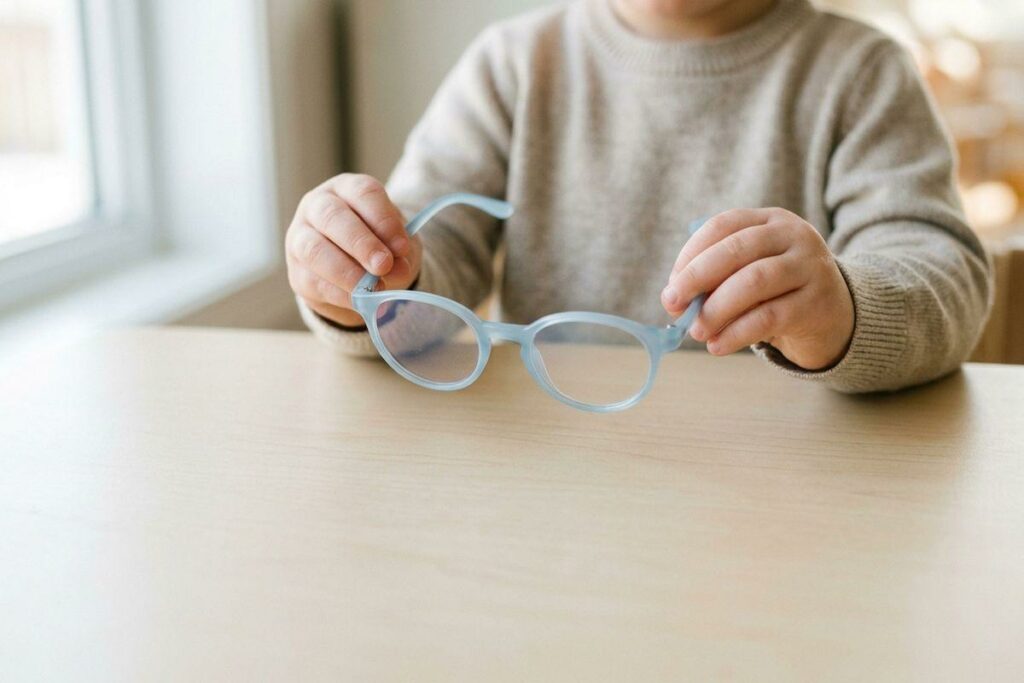
MiYOSMART lenses are eyeglass lenses designed to help slow the progression of myopia in children. The centre of the lens corrects vision the way any prescription lens would, while a ring of tiny defocus segments surrounds it and sends a signal that may slow how fast the eye lengthens.
There are no drops to remember and nothing to insert in the eye. Your child puts the glasses on in the morning, and the lenses do their work while they go about the day.
Signs Your Child May Be a Good Fit
Ask your optometrist to check where your child’s prescription sits. The lenses cover a specific range, and the exam measures both eyes to see whether the numbers line up.
Age plays into it too. Fitting usually happens somewhere between 6 and 18, since that’s the stretch when eyes grow the most. Beyond that, the lenses go into frames the same way standard single vision lenses do, so you keep plenty of choice at the optical.
Vision Changes to Watch For
Children adapt to blurry distance vision fast, which means the clues tend to show up in behaviour instead of complaints. Watch for a few things at home and at school:
- Blurry vision when looking across a room
- Squinting at the whiteboard or the TV
- Sitting closer to screens than they used to
- Headaches or tired eyes after reading
- Rubbing their eyes partway through homework
Any of these are worth writing down and bringing to the appointment.
Lifestyle and Family History
Mention your own prescription history when you book. Children with one or both parents who are myopic are more likely to become myopic themselves, and they often progress faster.
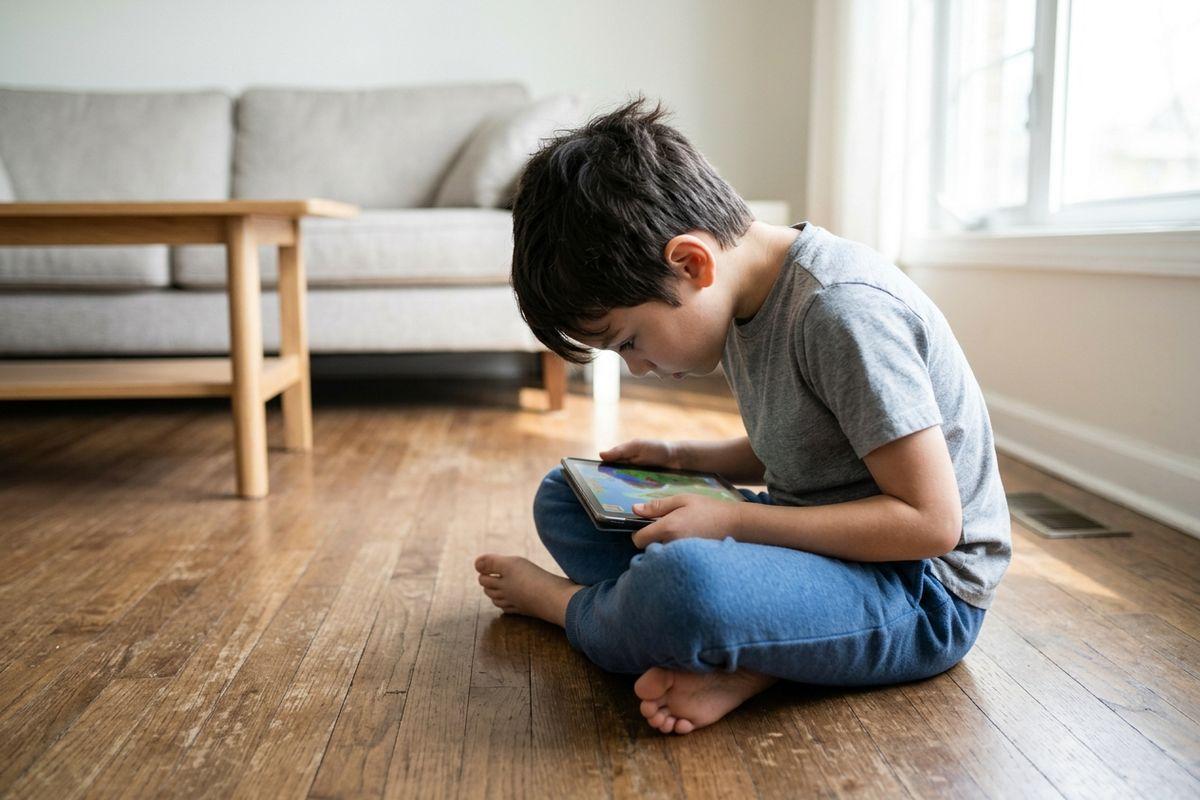
Daily routine matters as well. Long stretches of close work with little outdoor time have been linked to higher rates of myopia in kids, so give your optometrist a rough picture of screen habits and after-school activity.
Active kids also do well with the impact-resistant material and UV coating these lenses come with, which helps at recess and on the toboggan hill.
Why Slower Myopia Progression Matters
Myopia often begins and speeds up before age 10, which means prescriptions can change quickly during the early school years. Regular glasses correct how your child sees today, but they don’t address how fast the myopia is progressing.
Higher levels of myopia raise the risk of certain eye conditions later in life. Slowing the pace during childhood is the reason myopia management exists, and it’s why the conversation starts young.
How Your Optometrist Confirms the Fit
Everything starts with a complete eye exam. The optometrist checks the prescription and overall eye health, so any lens decision is based on a clear picture rather than a guess.
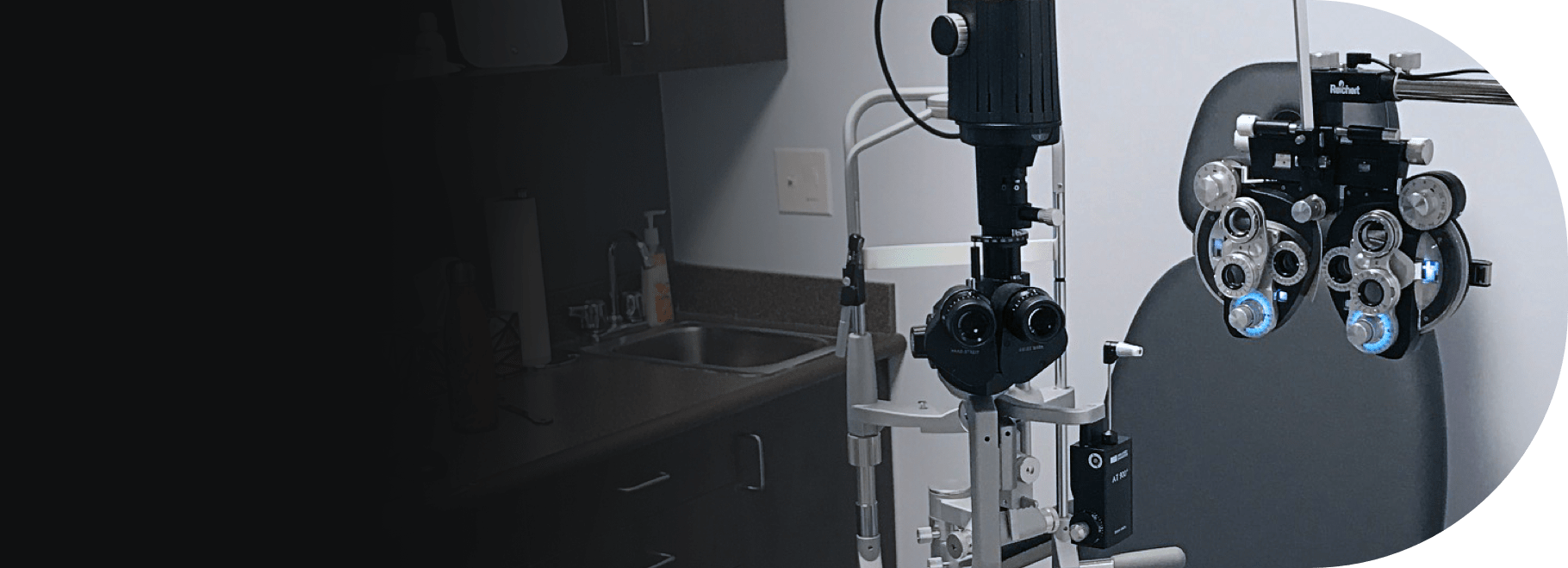
Expect an axial length measurement as part of the visit. A machine measures the eye’s physical length, and that figure is recorded so it can be compared at every future appointment.
Plan on returning every 6 to 12 months. Each visit adds another data point, and your optometrist can adjust the plan if the eye is growing faster than expected.
The First Couple of Weeks
Many children settle into the lenses within 1 to 2 weeks. Ask your child how things look during that window, especially with stairs and sports.
Wear time matters most. The lenses only work while they’re on your child’s face, so aim for full-time wear during waking hours. Get the frame refitted if it slides down their nose, since the treatment zone needs to sit in the right spot.
Habits That Support Eye Health
Build a few small routines around the lenses:
- Aim for about an hour of outdoor time each day
- Follow the 20-20-20 rule by looking 20 feet away for 20 seconds every 20 minutes of screen time
- Keep books and tablets around an arm’s length from the eyes
- Light the homework space well so your child isn’t leaning in to see
These habits fit into an ordinary day, and they give your child’s eyes regular breaks from close work.
Book Your Child’s Myopia Assessment
Sorting out whether MiYOSMART lenses suit your child starts with a conversation and an eye exam. The team at See Eye Clinic can measure the prescription, record axial length, and walk you through the options in language you can understand.
Contact us to book an appointment and take the first step toward managing your child’s myopia.